Pet Dental Care at Prairieville Animal Hospital: Choosing the Right Products
Nothing about pet care feels intuitive until you see a dog light up when a favorite flavor is offered or a cat finally accepts a brush after weeks of patient work. At Prairieville Animal Hospital we have watched many owners transform a routine dental check into an ongoing partnership with their pet. The products you choose are not just about fresh breath; they are about comfort, long term oral health, and in many cases, overall well being. The landscape of pet dental products is broad, and the choices can feel overwhelming. The goal of this piece is to lay out practical guidance grounded in clinical experience, with concrete examples that can be adopted without turning your home routine into a battlefield.
A well-maintained mouth matters for more than the obvious reasons. Gum disease can quietly erode a pet’s appetite and energy, and chronic dental problems have a track record of translating into systemic issues elsewhere in the body. At our clinic, we often see patients whose early warning signs were subtle: a reluctance to chew, drooling after meals, or a noticeable change in breath that wasn’t just a routine dog scent or cat musk. The right dental products, used consistently, can soften the line between a healthy mouth and a painful one. The story here is not about miracle cures; it’s about small, repeatable acts that accumulate into meaningful health benefits over months and years.
Before you invest heavily in a new brushing routine or a shelf full of chews, it helps to anchor your approach to a few practical realities. Pets vary in temperament, dental needs, and tolerance for methodical care. A veterinary clinic such as Prairieville Animal Hospital sees families across a spectrum of backgrounds, from those with intact routines that resemble clockwork to others who are just starting to map out a simple plan for monthly care. The aim is to help you pick products that fit your lifestyle, your pet’s preferences, and the realities of your home environment.
Understanding dental care products requires a quick tour of the main categories. There are oral rinses you can squirt into the mouth, enzymatic toothpastes you brush on, dental diets designed to reduce tartar buildup, chew treats that promote mechanical cleaning, and specialized brushes and tools that make brushing easier. Beyond the products themselves, you will hear terms like “biomimetic cleaning,” “enzymes,” or “anti-tartar polymers.” Some concepts are more marketing than medicine, but a few carry real clinical weight, particularly those that support plaque reduction, gingival health, and mechanical cleaning action. The vocabulary can feel dense, so I will keep it grounded with concrete examples from daily practice and from the last several years of client conversations.
The decision to implement a dental routine often starts with a veterinary wellness exam. If you have not scheduled a pet wellness exam Prairieville Animal Hospital in the last twelve months, it’s worth planning one. A professional bite assessment, mouth palpation, and a careful look at gum color, tooth wear, and any signs of recession provide a baseline. You may discover you have a pet who is a prime candidate for a targeted dental plan, including a product line you may not have considered. With a solid baseline, you can choose products that address the specific issues your pet faces, rather than adopting a one-size-fits-all solution.
Choosing the right toothpaste is a surprisingly consequential choice. Some owners assume any human toothpaste is OK for pets, but that is not the case. Pets cannot swallow toothpaste in the amount a person can, and many human formulations include foaming agents, flavorings, or sweeteners that aren’t ideal for animals. For most dogs and cats we recommend enzymatic toothpastes designed for animal use. These formulations contain enzymes that help break down plaque and reduce bacterial load between brushings. The flavors, often poultry or beef, can help with acceptance, though flavor choice is not universal. A few pets prefer a mild, non-strong taste and can be coaxed with gradual exposure to the texture and scent.
I know from experience that toothpaste is a piece of the routine that often determines overall success. In the clinic we see two kinds of households: those that brush in the morning before breakfast and those that brush at night after the last feeding. The latter often works better because the mouth is more receptive after a period of fasting, and the pet does not have a meal to contend with during brushing. It is also easier to manage when you brush after a consistent daily activity, such as a walk. The timing matters, but the method and patience matter more. A common obstacle is a dog or cat that resists brushing at first. The key is gradual exposure, not a confrontation. Use a small amount of toothpaste on your finger to let your pet sniff and lick, then progress to a soft brush or a finger brush. The goal is habit, not speed.
Two essential tools shape how comfortable you can make this routine: the brush itself and the method you use to apply toothpaste. A soft-bristled brush designed for pets with a small head is preferable for most dogs and cats. Some pets tolerate a silicone finger brush well; others respond better to a small dual-ended brush that can reach the molars without forcing you into awkward angles. The brushing technique matters. Start by brushing a few teeth at a time, then extend as your pet becomes more cooperative. Focus on the outer surfaces of the teeth where plaque tends to accumulate, and use gentle, circular motions rather than aggressive scrubbing. The goal is an unobtrusive routine that your pet can tolerate week after week.
If you are short on time or struggle with brushing, consider product options that complement brushing rather than replace it. There are several approaches that can reduce plaque buildup between brushings, and these can be especially helpful for pets who dislike brushing. Enzymatic enzymatic toothpaste remains the standard bearer for home care because the enzymatic activity continues to work after you have finished brushing. There are also water additives and oral rinses designed for daily use. These products won’t substitute for brushing in most cases, but they can reduce the bacterial load and contribute to fresher breath. When you discuss these options with our team at Prairieville Animal Hospital, you will get guidance on which products are most compatible with your pet’s eating habits and dental needs.
The role of dental diets and chews is nuanced. Some owners appreciate the convenience of a dental diet that contains kibble shaped to promote chewing and reduce tartar formation. Chews can be effective, but you should be mindful of the type of chew you choose and the risk of dental fractures or gastrointestinal upset, particularly in smaller dogs or those with sensitive stomachs. The best approach often blends a few strategies: gentle brushing as the foundation, an approved enzymatic toothpaste to extend cleaning in between brushings, and a dental chew or dental diet that supports the same goals without encouraging overfeeding. The balance is about promoting mechanical cleaning while avoiding unintended consequences like choking hazards or stomach upset. In our clinic, we encourage owners to supervise every chew, choose products appropriate for their pet’s size, and adjust based on how their mouth responds to the regimen.
The impact of product choices is not only about the mouth. If plaque and tartar accumulate, the surrounding gums can become inflamed. This inflammation can cascade into systemic issues that you may not immediately connect to dental health. For example, inflammatory bacteria from the mouth can enter the bloodstream and affect organs such as the kidneys, liver, and heart, especially for pets with preexisting conditions. That is not a doom scenario, but it is a reason to approach dental care with seriousness and a plan. Prairieville Animal Hospital often discusses with families not just which product to use today, but how to structure a six-month to twelve-month plan that includes checkups, re-evaluation of products, and adjustments based on how your pet responds.
A cautionary note about products: not every option on the market suits every pet. Some pets are sensitive to certain flavors or ingredients, and a few brands have formulations that don’t pair well with specific diets. Allergies, stomach sensitivities, and even the shape of a tooth can influence whether a certain paste or chew works for a given animal. The veterinarian’s eye matters here. A product that seems harmless in the store can be uncomfortable for your pet or undermine the brushing routine. We have seen cases where a pet refused to allow any brushing for months after a poor product choice caused mouth discomfort. The outcome? We had to switch approaches and rebuild trust from scratch. The lesson is simple: choose thoughtfully, watch closely, and be prepared to pivot.
How do you decide what to buy when you walk into a kennel of shelves at a pet supply store or when you browse Prairieville Animal Hospital pet dental care options online? The answer is to anchor your choice in two or three basic questions. First, what is your pet’s temperament and tolerance for routine care? A high-energy dog with a strong will or a wily cat will require a tone of patience and possibly a different product approach than a laid-back animal with a history of cooperative grooming. Second, what is the most pressing dental issue you want to address? Is there visible tartar buildup, a bad breath problem, or signs of gum inflammation? Third, what is your practical limit for time and expense? A routine that you can sustain monthly is far more valuable than a grand plan that falls apart after a few weeks.
To help you translate these ideas into action, I outline a pragmatic approach you can use over the next few months. Start by booking a pet wellness exam Prairieville Animal Hospital if you have not had one recently. Use that appointment to set a baseline for your pet’s oral health and discuss which products would be a good fit given your pet’s age, diet, weight, and any medical history. Then, pick one enzymatic toothpaste and a soft brush to begin the process. If your pet tolerates brushing, increase the brushing sessions gradually to two or three times a week. If brushing remains a struggle, consider adding a dental rinse or an oral spray to the routine as a supplementary step, while continuing to work on brushing as tolerance improves. Finally, incorporate animal hospital near me a dental chew or a dental diet gradually, ensuring you monitor your pet’s response so you can adjust as needed.
In the end, the best products for your pet are the ones you can consistently use. Your home routine should feel like a quiet partnership with your animal, not a constant battle. As we have learned at Prairieville Animal Hospital, there is no substitute for consistent effort and informed choices. The practice of dental care is cumulative. A few minutes of brushing most days of the week will not only reduce plaque but will improve the pet’s overall mood and daily comfort. A mouth that feels good is a mouth that wants to eat, play, and stay active. This is the real payoff that makes dental care from Prairieville Animal Hospital a sustainable part of everyday life.
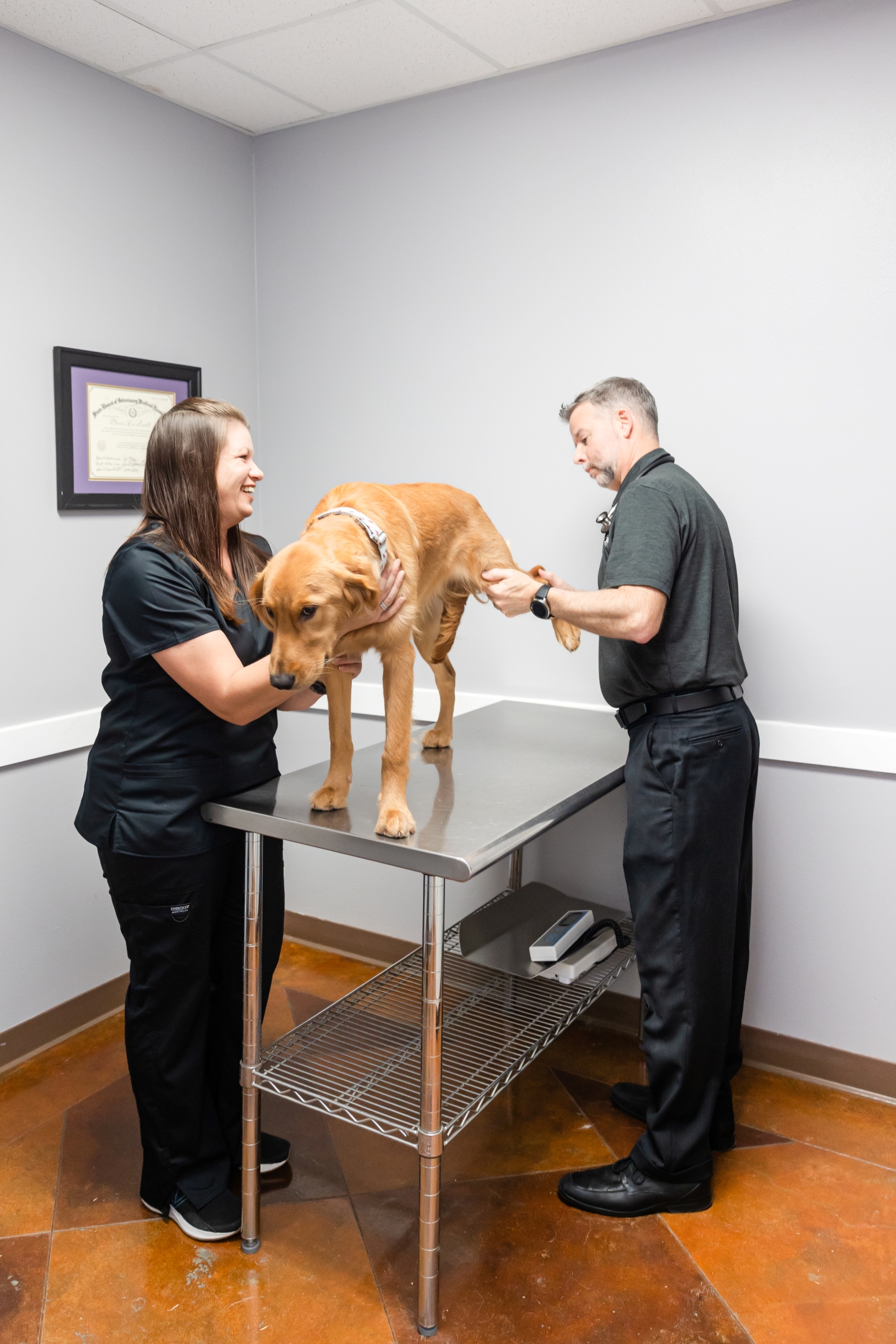
Two core themes emerge from our conversations with families who succeed: consistency and evidence-based choice. Consistency builds habit, which in turn builds tolerance in pets. Evidence-based choice means choosing products that have clinical support for plaque reduction, gingival health, or mechanical cleaning. We do not rely on marketing claims alone. Our team looks at product ingredients, user experience, and how a given option fits into your pet’s day-to-day routine. In practice, that means we are not tied to a single brand. We are focused on what works, what is tolerated, and what you can afford to sustain over time.
Below are a few practical considerations that come up repeatedly in client conversations and carry through to real-world results.
Two concise lists to help you think through your options
-
Choosing a toothpaste and brushing approach
-
Enzymatic toothpaste paired with a soft brush for most dogs and cats
-
Finger brush for pets that tolerate slow introductions to brushing
-
Start with a light touch and short sessions, then build up gradually
-
Use a flavor your pet responds to, but prioritize comfort and durability of technique
-
Schedule monthly check-ins at Prairieville Animal Hospital to adjust the plan as needed
-
Product considerations for dental chews and treats
-
Size and chew density aligned with your pet’s jaw strength to prevent choking
-
Caloric content matched to daily energy requirements to avoid weight gain
-
Ingredients chosen for digestibility and palatability
-
Guard against overly aggressive chews that can fracture teeth
-
Supervise chewing sessions and monitor for signs of distress or GI upset
The two lists above are meant to be practical anchors rather than exhaustive checklists. If you want a deeper dive, our team at Prairieville Animal Hospital is ready to tailor recommendations to your pet’s unique profile. We will often walk you through a short decision tree during a wellness exam, explaining why a particular toothpaste or chew makes sense given your pet’s age, breed predispositions, and dental history.
A note on age and dental care. Older pets benefit from a slightly different approach. The oral changes that come with aging can make brushing more sensitive or uncomfortable. In such cases, we may recommend a gentler introduction to brushing with a finger brush, then a slow transition to a small brush as confidence grows. The same logic applies to chews and dental diets. You may need more gradual exposure or use of a dental rinse to maintain a clean mouth when the gums are tender. Our team has learned to adapt the routine so that the senior pet does not experience unnecessary stress, while still achieving meaningful improvement in dental health.
There is also an important operational perspective to consider when choosing products. Accessibility matters, especially for households with busy schedules or limited storage space. A product that requires refrigeration or a complicated preparation process is less likely to be adopted consistently. Likewise, a dental product that carries a strong smell or flavor that your household dislikes can undermine adherence. When we guide families at Prairieville Animal Hospital, we emphasize practicality as much as science. The most scientifically robust option is only valuable if you can actually use it day after day.
We should also acknowledge that the dental care landscape is not perfectly uniform across all pets. A chiweenie with a tiny mouth and a big personality might prefer a very small brush head and a toothpaste flavor that is subtle. A large dog with a powerful jaw could benefit from a more robust brush and a larger toothpaste amount, while still adhering to the recommended pea-sized amount for enzymatic pastes. A cat, with its own range of sensitivities and whisker restrictions, may respond best to an initial gentleness that yields a comfortable brushing routine without force or struggle. The differences matter because the point is not to imitate a universal routine but to sculpt a regimen that respects your animal’s preferences and tolerances.
The practical upshot is this: dental care is a blend of science and daily life. Our recommendation is to approach products with curiosity, track the pet’s response, and buckle in for a steady, repeatable routine. It is not about chasing the newest product or the strongest flavor; it is about choosing tools that your pet accepts, and using them with enough regularity to create lasting improvement. Prairieville Animal Hospital is committed to helping you navigate this landscape with clarity and patience. Our goal is not merely to prescribe a regimen; it is to partner with you to sustain the health of your pet’s mouth, and by extension, their whole body.
In this spirit, I offer one practical framework you can begin adopting this week. Start with a simple, repeatable routine that you can anchor to a daily event, such as morning coffee or an evening wind-down. Choose a toothpaste that is enzymatic and approved for pets, pick a brush that fits your hand well, and set a timer for two minutes of careful attention on your pet’s mouth during the first week. If your pet tolerates the process, extend to three sessions in a week, and gradually increase to five sessions across ten days as comfort improves. If you encounter pushback or signs of distress, pause and reintroduce the routine with a softer approach, using a finger brush and short, low-intensity sessions. When you feel ready, introduce a dental chew or a dental diet in a controlled, measured way, making sure to supervise and observe how it affects appetite, stool, and overall well being.
The benefits can be measurable. You may notice improved breath within a couple of weeks, though the most meaningful changes appear over several months as plaque control and gingival health progress. Regular dental care tends to correspond with steadier energy levels and a willingness to eat well, both of which contribute to a more comfortable daily life for your pet. By choosing products aligned with your pet’s needs and your family’s routine, you create a sustainable path to better oral health and a more contented companion.
A final word from the team at Prairieville Animal Hospital: you do not have to navigate this alone. The team is here to discuss your questions, review product labels with you, and help you calibrate a plan that fits your budget and your pet’s temperament. We can tailor recommendations for pet wellness exams, vaccinations for pets, spay and neuter, and even surgical planning when necessary. The dental portion of your pet’s health is intimately connected to all these other elements of care, and we aim to provide guidance that respects the complexity of real life. The right products are the ones that fit into your daily life while delivering clear, tangible benefits for your animal.
If you are ready to start or restructure your pet’s dental care plan, consider scheduling a consult at Prairieville Animal Hospital. A brief appointment can set you on a path that keeps your pet’s mouth healthy for years to come. The long view matters here, because the mouth serves as the gateway to nutrition, comfort, and vitality. The choices you make today can pave the way for a future where dental discomfort is a rarity rather than a daily concern. And that outcome is worth planning for with care, patience, and a partnership that begins at home and extends through every visit to Prairieville Animal Hospital.