Pet Wellness Exams Prairieville Animal Hospital: Tailored to Your Pet
The moment you walk into Prairieville Animal Hospital with a sleepy dog or a curious cat, you sense a rhythm that isn’t just about treatment. It’s about listening, planning, and matching medical care to a life that evolves with age, weather, and daily routine. Pet wellness exams are where that rhythm begins to matter most. They’re not a one-size-fits-all checklist, but a conversation that spans health history, current behavior, diet, environment, and the tiny signals a pet can’t vocalize. At Prairieville Animal Hospital, wellness exams are designed to be practical, repeatable, and genuinely useful for the days between visits.
A practical truth about pet health is this: prevention is simpler and often less costly than remediation. Many conditions begin slowly, with vague signs that owners either overlook or misinterpret. A routine wellness exam creates an early warning system. It’s a structured opportunity to catch dental issues before they become painful, track weight and blood work trends that might signal metabolic concerns, and review vaccination status in a way that respects your pet’s unique risks. The exam is also a moment to align on behavior, activity level, and stress triggers that might influence health in meaningful ways. The team at Prairieville Animal Hospital approaches this with a calm, collaborative mindset—there to guide you, not to lecture you.
The practice of a comprehensive wellness exam rests on a simple premise: regular assessment builds a baseline. When your veterinarian has a clear picture of what is normal for your pet, shifts become noticeable sooner. The idea is not to chase illness after it’s developed but to steer clear of it in the first place. This is where tailored plans come into play. A puppy or kitten starts with different milestones than a middle-aged cat, a senior dog, or a dog recovering from an injury. A well-crafted plan can adapt to the life stage, the breed predispositions, and the home environment. Prairieville Animal Hospital takes pride in translating medical guidelines into practical steps that fit real households.
The preventive care philosophy at Prairieville Animal Hospital centers on three elements that work in tandem: early detection, personalized vaccination planning, and practical lifestyle recommendations. The exam is a point of clarity for all three. For you, it means a clear map: what screenings are essential now, what can wait for later, and how to recognize the red flags that warrant a call or a visit. For the pet, it means less anxiety about the unknown and more confidence in the routine that surrounds daily life.
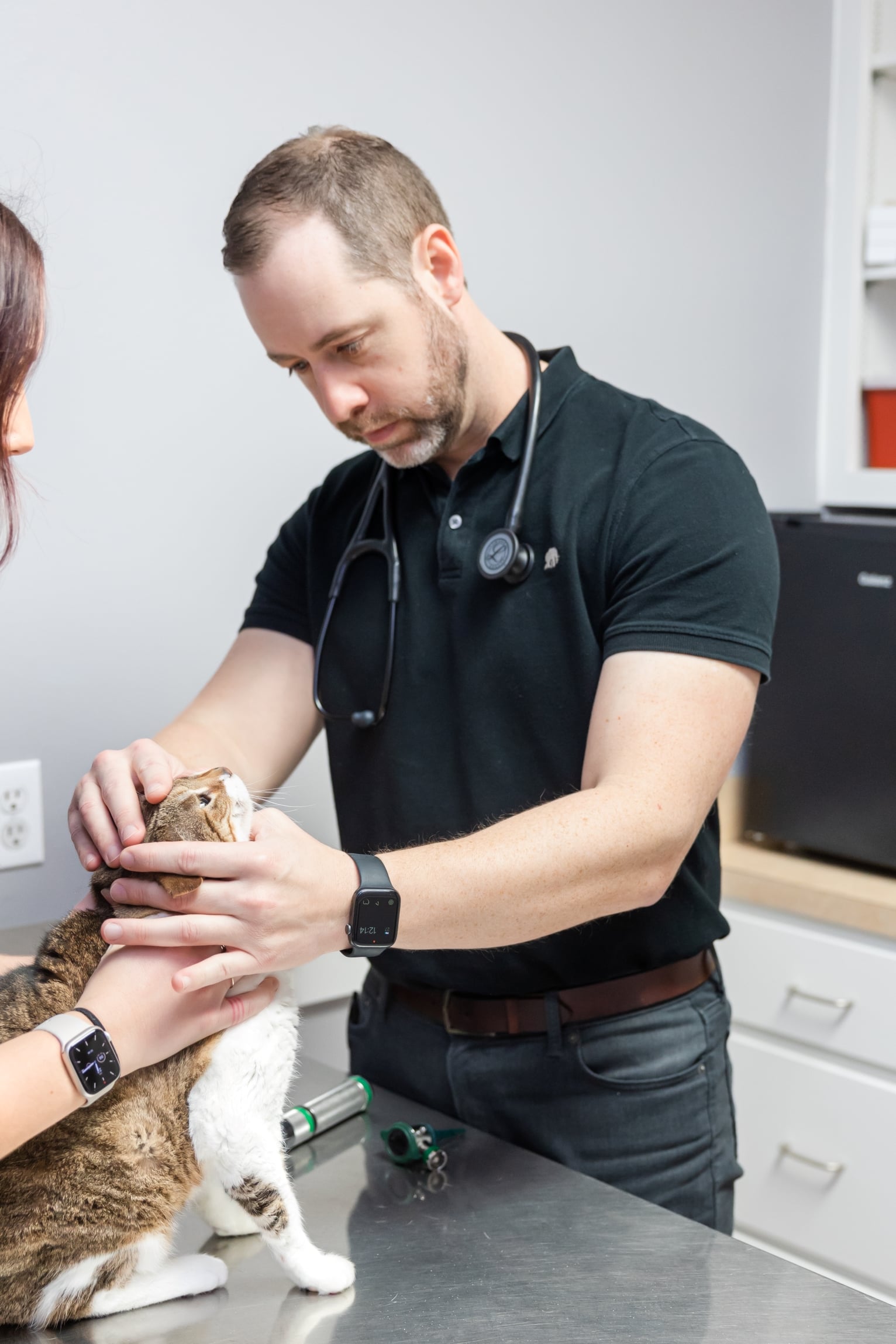
The anatomy of a wellness exam starts with relationship—between owner, veterinarian, and pet. The team’s approach is to minimize stress and maximize information. That starts with observation: posture, gait, facial expression, appetite, and how your pet interacts with the exam room environment. It continues with a hands-on check that covers the body systems most vulnerable to age and breed-specific issues. The goal is not to scare or overwhelm but to equip you with a realistic plan you can implement without disruption to your daily routine. The veterinarian will discuss what they notice, what it might mean, and what steps to take next. This is a collaborative process, and that collaboration is where real preventive care takes shape.
What makes Prairieville Animal Hospital stand out in the realm of pet wellness exams is specificity. The clinic treats wellness not as a single moment but as a series of informed decisions across the year. A wellness plan at Prairieville is peppered with phrases you’ll recognize—vaccination intervals, dental care routines, weight management, environmental enrichment—and grounded in the realities of a busy household. There’s an emphasis on practical, scalable steps. You won’t hear grand promises with little follow-through. Instead, you’ll hear concrete actions that fit your pet’s needs and your schedule.
A well-rounded wellness exam isn’t simply about preventing disease; it’s about supporting a pet’s quality of life across decades. In practice, that translates to a few predictable touchpoints. Your veterinarian will review core vaccines, confirm any noncore vaccines that might be relevant given your pet’s exposure risk, and assess parasite prevention. They’ll examine the mouth and teeth with a focus on early signs of periodontal disease, a condition that quietly erodes health and comfort. They’ll measure weight and body condition score, then translate that data into a nutrition and exercise plan that respects your pet’s preferences and medical history. They’ll listen for changes in energy, coat condition, or digestion, which can be subtle but telling. They’ll screen for pain indicators or mobility concerns, which may call for a tailored activity plan or a referral to a veterinary physical therapy program. Each step is anchored in real-world implications—how to prevent discomfort, protect longevity, and preserve the everyday joy you share with your companion.
The context for wellness exams at Prairieville Animal Hospital is not theoretical. It’s built from experience with a wide range of pets—from active puppies to arthritic seniors, from indoor-only cats to dogs who roam the yard and meet the world daily. The team understands that owners juggle schedules, budgets, and competing priorities. That awareness shapes the exam into something approachable rather than intimidating. A key practice is transparency about what’s recommended now and what can wait, along with an honest discussion of costs, timelines, and the trade-offs involved. This isn’t about pressuring you into immediate tests or procedures; it’s about empowering you to make informed decisions with clarity.
From a client’s perspective, what often matters most is the feel of the visit—the trust you sense when you walk in, the patience of the staff, the way each question is engaged with, and the practical outcomes that follow. At Prairieville Animal Hospital, the staff aims to create that feeling from the first phone call to the moment you leave with a plan in hand. You’ll find a clinic that treats wellness as a shared responsibility, where your insight about your pet’s behavior and your own life rhythm matters nearly as much as the clinical measurements. The result is a care path that fits your home, your pet, and your budget, while still upholding the highest standards of medical practice.
Why a tailored approach matters becomes obvious when you see the long arc of a pet’s life. A kitten’s vaccination schedule differs radically from a senior cat’s need for monitoring and comfort-focused care. A high-energy dog may require a more aggressive plan for exercise and dental care than a more sedentary companion. A toothache in a small breed can derail eating quickly, while a large-breed dog’s mobility issues might mask broader systemic concerns. Prairieville Animal Hospital has learned to translate these dynamics into the daily routine of a household. The goal is not to overwhelm but to equip you with a realistic, sustainable program that keeps your pet healthy and engaged.
A typical wellness exam charges forward with a steady rhythm, but the specifics vary with life stage and risk. Puppies and kittens start with a foundation of immunizations, parasites, and nutritional counseling that sets them up for a healthy adulthood. Adults receive ongoing screening tailored to breed predispositions and lifestyle factors. Seniors get a more frequent cadence with more attention to pain management, mobility, dental health, and organ function. The clinic uses evidence-informed standards that align with current veterinary practice while staying grounded in practical realities. If a particular test or vaccine isn’t necessary for your pet’s risk profile, the team will explain why and present a sensible alternative. The conversation is honest and oriented toward what works day to day for you and your pet.

A well-executed wellness exam is not a solitary visit. It’s part of a broader pattern that includes at-home care and timely follow-up. The veterinarian may suggest scheduling a dental cleaning in a period when the pet is ready to handle anesthesia safely, or they may prompt a nutrition review that you can do within a single week, using readily available ingredients. The staff often coordinates with you to arrange reminders for vaccines, annual fecal checks, and heartworm testing where appropriate. They also take time to discuss environmental risks, such as exposure to toxins, access to outdoor areas that may harbor parasites, or the impact of seasonal changes on your pet’s comfort and activity. Each recommendation comes with a practical plan, a reasonable timeline, and a sense of partnership that turns a routine exam into something you can carry forward with confidence.
Key moments in the wellness exam process include the medical history review, a careful physical examination, and a decision-making conversation about next steps. The history portion is not a dusty questionnaire but a candid conversation about recent changes in appetite, energy levels, bathroom habits, or behavior. The physical exam is methodical yet attentive to the signs that matter most—body condition, coat quality, ocular and dental health, heart and lungs, abdomen, joints, and the ease with which your pet moves at rest and in activity. The discussion at the end is where context matters: what does this mean for your pet’s daily life, and what are the precise actions you should plan for the next four to twelve weeks? The aim is clarity, not complexity, and a sense that health management is a shared project.
The veterinary team at Prairieville Animal Hospital also embraces the practical realities of pet ownership. They know you want to protect your pet from avoidable risks without turning health care into a full-time job. That means offering flexible options, such as combining multiple preventive services into a single annual package when it makes sense, or prioritizing core vaccines for puppies and kittens while keeping noncore vaccines aligned with risk exposure. It means discussing parasite prevention in proportion to climate and environment, so you aren’t over-treating a pet who spends most of the year indoors. And it means acknowledging when stress from travel, a new home, or a recent move might temporarily affect a pet’s health metrics, then adjusting the plan accordingly. A well-run wellness program respects the realities of daily life even as it pursues long-term health outcomes.
Vaccinations form a core pillar of preventive care, and Prairieville Animal Hospital treats them with a balance of science, practicality, and animal welfare. The clinic keeps a careful eye on the recommended vaccination schedule for dogs and cats, recognizing that lifestyle and exposure risk inform whether a shot should be given annually or at longer intervals. The conversation you have about vaccines is not a monologue from the clinician. It’s a dialogue that weighs the pet’s current health, age, and prior responses to vaccines, along with any potential adverse reactions observed in past experiences. If you have a dog that spends most days in a fenced yard and Prairieville Animal Hospital rarely interacts with unfamiliar dogs, the plan may lean toward core vaccines while adjusting noncore risk-based boosters to match the setting. For a cat that roams or hunts, the strategy will reflect opportunities for exposure to other animals and the potential for indoor-outdoor transmission of illnesses. Prairieville Animal Hospital also emphasizes the importance of accurate vaccination records. Keeping a clear, up-to-date log prevents gaps in protection and helps prevent unnecessary repeat injections.
The spay and neuter services at Prairieville Animal Hospital are delivered with a practical balance of medical necessity, recovery expectations, and animal welfare. The decision to proceed with sterilization is never treated as an automatic step; instead, it is evaluated as part of a comprehensive care plan that includes the pet’s age, breed, health status, and the family’s plans. The team’s approach to surgery is conservative and careful, prioritizing minimally invasive techniques when suitable and tailoring anesthesia to minimize risk. Postoperative guidance is clear and actionable, with explicit instructions about activity restrictions, incision care, and signs that would warrant a return visit. The clinic understands that timing matters: for some pets, early spay or neuter can align with growth patterns and long-term health benefits; for others, delaying the procedure until after a growth phase or until a health check confirms readiness may be the better course. The result is a plan that respects scientific evidence while listening to your family’s needs and your pet’s comfort.
When pet surgery becomes necessary beyond routine spay and neuter, Prairieville Animal Hospital brings the same calm precision to the table. The team emphasizes comprehensive preoperative evaluation, careful intraoperative management, and meticulous postoperative care. The process includes a transparent discussion about risks and expected recovery, so you’re prepared for what comes next at home. The goal is to minimize disruption to your pet’s life and to ensure a smooth transition from anesthesia to active recovery. In practice, this means giving you a practical checklist you can follow, from pain control and incision care to monitoring for appetite and activity levels. It also means offering resources such as post-surgical check-ins, rehabilitation recommendations if needed, and guidance about returning to normal activities in a phased manner. The end result is a surgical experience that respects the animal’s comfort while achieving the medical objective with reliability.
Dental care is another area where wellness intersects with daily happiness. The team at Prairieville Animal Hospital views oral health as foundational to overall well-being. Dental assessments during wellness visits are not cosmetic add-ons; they are a critical diagnostic measure that correlates directly with heart and organ health. If dental tartar and gingivitis are detected, the veterinarian will outline a pragmatic plan that can include professional cleaning, at-home brushing routines, and diet adjustments designed to reduce plaque buildup. The realities of pet care—time, energy, and sometimes gentle resistance from a reluctant brusher—are acknowledged. The staff will tailor a plan that aligns with your household dynamics, offering practical tips for integrating dental care into a weekly routine without turning it into a stressful project. In many cases, addressing dental health early prevents pain, improves appetite, and supports long-term vitality.
It is essential to understand that wellness exams at Prairieville Animal Hospital are not isolated events but anchors for ongoing health management. The staff routinely helps owners translate medical findings into day-to-day actions. For instance, a diagnosis of early kidney changes is not a verdict but a prompt to adjust hydration, diet, and monitoring rather than a surgical or medical life sentence. The veterinarians are upfront about the limits of what can be inferred from a single visit, and they encourage follow-up tests to confirm tendencies or stabilization over time. This measured approach is what makes preventive care sustainable rather than overwhelming. It’s about aligning medical reality with the pace and constraints of modern life.
In practice, a wellness exam can translate into a steady sequence of actions that accumulate into meaningful health outcomes. The practice emphasizes documentation and continuity of care, so every subsequent visit references the same baseline data while adjusting for any new information. For families that juggle multiple pets, Prairieville Animal Hospital offers streamlined processes for record-keeping and reminders. The aim is to reduce the friction of preventive care, so you are more likely to stay engaged with the plan rather than drift away after a single appointment. The result is not a one-off service but a sustained partnership in your pet’s health journey.
Five practical considerations shape every wellness exam at Prairieville Animal Hospital. First, the physical environment of the clinic matters. A calm, organized space reduces stress for pets, which in turn leads to more accurate assessments. Second, the timing of visits is deliberate. The clinic often suggests scheduling wellness checks during predictable routines, so you’re less likely to miss an important vaccine or screening. Third, the patient history is treated as a living document. Updated information about the home environment, dietary changes, or new family members informs medical decisions as much as the physical exam does. Fourth, the communication style is clear and actionable. Owners leave with a concrete plan that specifies what to do, when to do it, and why. Fifth, the follow-up mechanism is built in. Whether it’s a reminder for vaccines or a note about a slight weight drift, Prairieville Animal Hospital treats every update as a step in a longer process rather than a one-time observation.
If you’re considering how to prepare for a wellness exam, a few practical tips make a big difference. Before the appointment, gather a concise history for your pet: changes in appetite, energy levels, and bathroom habits, plus any medications or supplements you’re using. Bring a list of questions or concerns so the veterinarian can address them directly. On the day of the visit, try to maintain a calm routine to reduce stress for your pet, which helps the exam go more smoothly. After the visit, review the written recommendations and set a realistic schedule for the next steps. A thoughtful follow-up plan reduces the chance that important actions slip through the cracks. These preparations are small investments that pay off in smoother visits and more reliable preventive care over time.
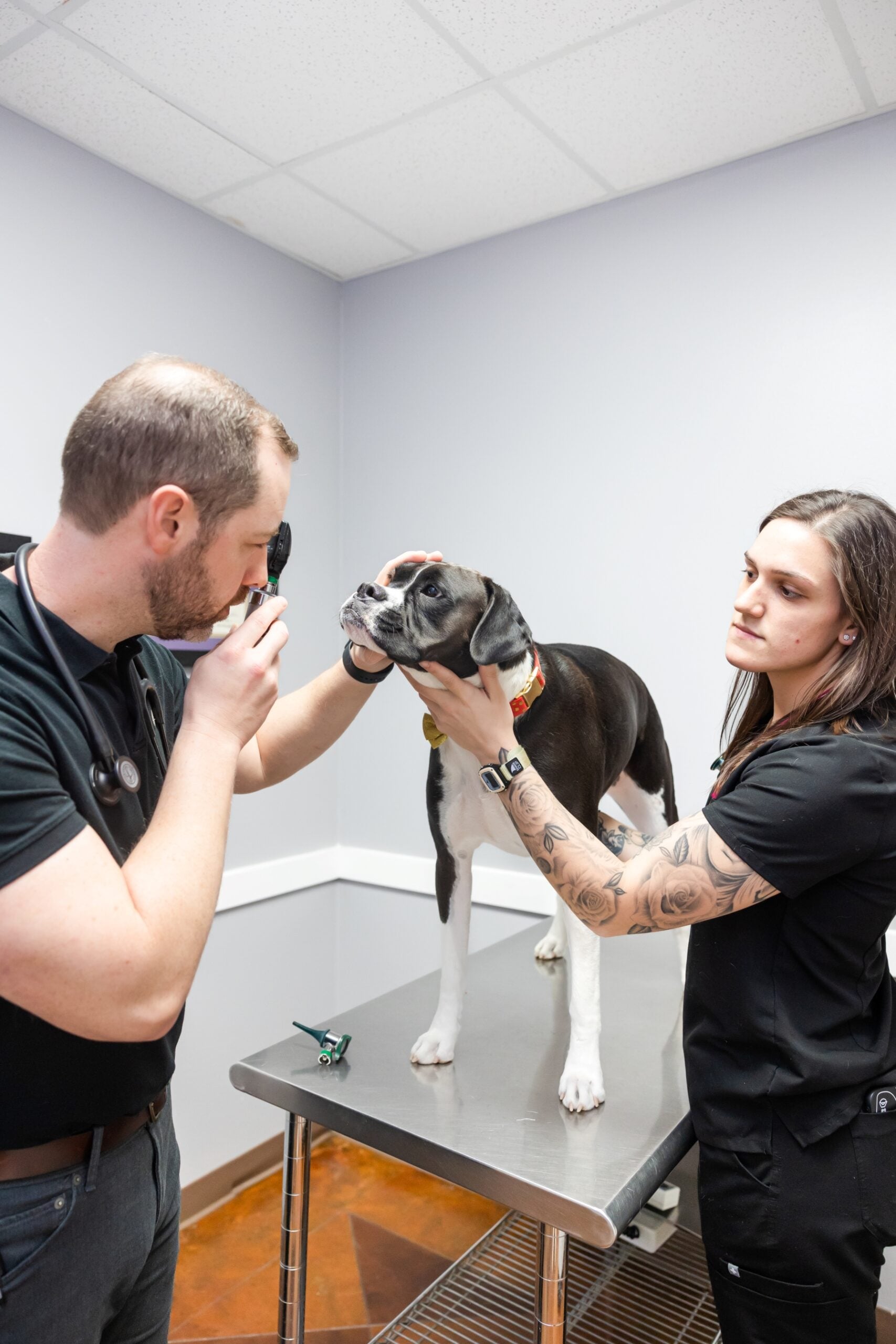
To help you navigate the process, here are five key components you can anticipate during a well-structured wellness exam, based on the Prairieville experience. The first is a thorough medical history review, which establishes a baseline and flags any evolving concerns. The second is a comprehensive physical examination, focusing on body condition, dental status, posture, and gait. The third is a careful assessment of vaccines and parasite prevention, aligning with your pet’s risk profile. The fourth is a targeted discussion about nutrition, exercise, and environmental enrichment—practical recommendations you can implement without overhauling daily life. The fifth is a clear, actionable plan for follow-up, whether that means a blood test in a few months, a dental cleaning, or a staged vaccination schedule.
The truth is simple: wellness exams at Prairieville Animal Hospital are about laying tracks for a healthier journey. Each visit adds a node to a growing network of data, experience, and shared decisions. The clinic recognizes that guardianship of a pet’s health is not a single moment but a continuous path, shaped by the pet’s changing needs and the family’s evolving circumstances. In this light, wellness exams become a collaborative discipline, a practice of patience and precision that honors the complexities of living with an animal companion. The goal is not to chase every potential issue but to establish a reliable framework that supports comfort, vitality, and resilience across the long arc of a pet’s life.
As you consider Prairieville Animal Hospital for pet wellness exams, you’re choosing a partner who values practical outcomes as much as professional standards. You’re choosing a team that understands how to translate medical guidelines into routines that fit real households. You’re choosing a setting where questions are welcomed, where a plan is explained in tangible terms, and where the path forward is clear. If you walk away with a better sense of your pet’s baseline, a prioritized plan for the next months, and a schedule that respects your schedule, then the wellness exam has done its job. The real sign of success is not an empty room full of tests but a home where your pet moves with ease, eats with enthusiasm, sleeps soundly, and greets each day with curious interest.
Two short notes before we close this section. First, if you are new to Prairieville Animal Hospital, you may find it helpful to request a pre-visit checklist. This helps you capture vital information and reduces the time you spend in the waiting room. Second, consider a preventive care package if it suits your budget and your needs. Packages can bundle vaccines, dental hygiene, and routine screenings in a way that makes planning easier without sacrificing quality. The practical takeaway is simple: wellness exams work best when the plan feels doable and aligned with your life. Prairieville Animal Hospital is built around that premise, and the team remains committed to delivering care that honors both science and everyday lived experience.
In the end, wellness exams are not just about medical metrics or compliance with guidelines. They are about confidence—the confidence you gain when you know your pet’s health baseline, understand the risks that matter for your environment, and have a clear, feasible plan to keep your companion well. Prairieville Animal Hospital translates that confidence into actions you can carry into daily life. The result is not a single, perfect moment in a clinical setting but a consistent, reliable foundation for your pet’s ongoing happiness and well-being. This is the practical privilege of veterinary care tailored to a life you actually lead.