Prairieville Animal Hospital Animal Hospital: Pet Pain Assessment Tools
Pain is a conversation our pets have with us without words. At Prairieville Animal Hospital, listening to that conversation means more than diagnosing a condition. It means recognizing the signals, understanding the context, and choosing a course of action that respects both the animal and the family who cares for it. Over years of practice, I’ve learned that pain assessment tools are not just checklists. They are bridges between clinical knowledge and lived experience at home, in the car, during a routine appointment, or when a pet is recovering from surgery. The right tools, used with judgment, can transform outcomes by guiding treatment, refining rehabilitation, and preventing unnecessary suffering.
As with any medical instrument, the value of pain assessment tools rests on how well they fit the patient and the situation. A small terrier and a large mixed-breed dog may both be in pain, yet their expressions, behaviors, and tolerances for examination differ in meaningful ways. A cat, with a reputation for masking discomfort, often requires a different lens entirely. Our practice prioritizes a staged approach: observable behavior, clinical signs, owner reports, and context. In this piece I’ll share how we blend these elements at Prairieville Animal Hospital to quantify pain, monitor its evolution, and tailor interventions accordingly.
The art of pain assessment starts long before we see the animal in the exam room. It begins with a conversation with the owner, because the truth of a pet’s pain often travels home with the family. We ask questions that may seem simple but carry practical weight: How is the pet’s appetite compared to last week? Are there changes in activity, sleep, or play? Is the pet avoiding stairs, avoiding being touched along the back, or resisting being lifted? Does pain flare after meals, after medicine, or following a specific movement? The answers set the stage for a thoughtful, humane plan rather than a hurried, one-size-fits-all prescription.
In clinic, we measure pain through a combination of structured tools and clinical judgment. The tools themselves are not magic; rather, they are calibrated companions that help us translate a spectrum of discomfort into a common language. A pup with a sore leg may grimace, take shorter steps, and favor one side, but without an objective framework, those signs risk being dismissed as mere quirks of temperament. The opposite risk exists too: overreacting to a passing grimace can lead to overtreatment or unnecessary medications. Our approach seeks balance, accuracy, and accountability.
The first category of tools we rely on encompasses behavior-based scales that owners and clinicians can use together. These indices capture the animal’s experience of pain in daily life by focusing on changes that families can observe at home and in clinic. The second category involves physiological and functional measures that add depth to the picture. Heart rate, respiratory patterns, and activity levels provide physiological context to the behavioral story. The third category consists of dynamic, individualized assessments performed in the exam room or during gentle restraint. These assessments are designed to be noninvasive, repeatable, and sensitive to change over time. When used together, they create a multi-dimensional profile of pain that guides therapy rather than guessing at it.
An essential element in implementing these tools is ensuring they are appropriate for the patient. In cats, for example, pain can be subtler and more diffuse than in dogs. A cat may hide lameness behind a calm, composed exterior while still experiencing significant discomfort. In elderly dogs with chronic osteoarthritis, pain may intertwine with fatigue, reduced mobility, and behavioral shifts like decreased curiosity or withdrawal from interaction. In post-operative patients, pain fluctuates with healing, inflammation, and analgesic pharmacodynamics. Each scenario demands nuance, not rote application of a scale.
In practice, we pair owner observations with objective measures and clinical impressions. Here is how that alignment plays out across common situations:
Dogs presenting with acute orthopedic injury
- We initiate a quick behavioral screen in the waiting area to capture how the dog interacts with people and other dogs, followed by a focused physical exam. We then apply a pain scoring system that weighs withdrawal responses, vocalization, weight-bearing, and gait symmetry. Immediately after generating a baseline, we discuss likely pathways for pain control, including short-acting analgesics for the acute phase and plans to progress toward anti-inflammatory strategies if appropriate. The aim is to reduce suffering in the moment while keeping the door open to longer-term recovery, rehabilitation, and return to function.
Cats recovering from abdominal surgery
- Cats require a different lens. We assess posture, grooming changes, appetite, and the cat’s willingness to move away from or toward stimuli. We use a scale tailored for felines that values subtle indicators like crouching, fluffed fur, or avoidance behaviors. Our plan emphasizes multimodal analgesia, combining different classes of pain control that work together to reduce reliance on any one medication. We pair this with gentle, structured handling during crate checks so the cat feels safe. The result is a smoother recovery trajectory and less risk of guarding behaviors that could complicate healing.
Chronic pain in senior dogs with osteoarthritis
- Chronic pain presents as a moving target. We track activity using owner diaries, noting changes in stair climbing, walking distance, and willingness to participate in family routines. Pain scores help quantify progression and response to treatment, but we also listen for qualitative shifts. A dog that previously loved walking may begin to avoid it, or a stoic senior might show irritability in unfamiliar situations. Those signs, when viewed through the lens of a broad assessment, prompt timely adjustments to medications, supplements, and nonpharmacologic strategies like targeted physical therapy.
Postoperative patients in the first 72 hours
- The immediate recovery window demands vigilance. We monitor pain scores at regular intervals, attempting to minimize fluctuations in analgesia that could complicate healing. The emphasis is on achieving comfort with the smallest effective dose, thereby reducing potential side effects while maintaining mobility and appetite. We adjust in real time as the patient responds, with family members invited to share what they observe at home. The continuity of information from clinic to kitchen table is where true improvement often originates.
The practical value of these tools lies not only in measurement but in the communication they enable. When a family understands how we assess pain and why certain interventions are chosen, they become partners in care. This shared language reduces guesswork, fosters trust, and shortens the time to effective relief. Our clients repeatedly tell us that knowing what to look for—what signals indicate escalating discomfort and when to seek help—changes how they manage their pet’s daily life and recovery.
To illustrate how this works in the real world, consider a typical workflow in our clinic on a busy Tuesday afternoon. A senior dog named Milo arrives with stiffness and reduced appetite after a recent dip in activity. The team begins with a quick owner interview, noting changes since Milo’s last visit. Milo is soon brought to the exam room, where a nurse performs a gentle examination and records posture, mobility, and resistance to touch. We apply a validated pain scale appropriate for Milo’s size and age, then integrate Milo’s recent history, clinical signs, and owner input to decide on a treatment plan. The decision might include adjusting anti-inflammatory dosing, initiating a short course of a non-steroidal agent while monitoring kidney and liver function, and recommending a targeted physical therapy program. We also discuss a plan for follow-up, emphasizing how we will reassess Milo’s pain scores and function within a week to determine whether we should maintain, escalate, or modify therapy. The goal is not simply to reduce pain in the moment but to restore Milo’s capacity to enjoy daily activities.
The tools we rely on are diverse, each with its own strengths and limitations. Behavior-based scales provide quick, noninvasive snapshots that families can participate in. They are especially valuable for cats and small dogs who may not tolerate prolonged handling. However, they require consistent observations and some training to translate into actionable steps. Physiological measures—heart rate, respiratory rate, pupil dilation, sleep patterns—offer objective data, yet they can be influenced by stress, environment, and concurrent illnesses. The most informative picture emerges when these measures are synthesized with clinical judgment and owner experience. This synthesis is what makes our pain management plan robust rather than reactive.
One challenge remains constant: pain is inherently personal. Each animal has its own thresholds, tolerances, and responses to medications. Ethically, we must respect that individuality while applying evidence-based practices. In some cases, an animal shows significant behavioral improvement but continues to demonstrate a physiological sign of discomfort, or vice versa. When that happens, we slow down and re-evaluate. We talk through the possibilities with the owner, explaining why we are choosing to adjust the plan and what signs we will monitor to decide on next steps. The aim is a transparent, collaborative approach that keeps the patient at the center.
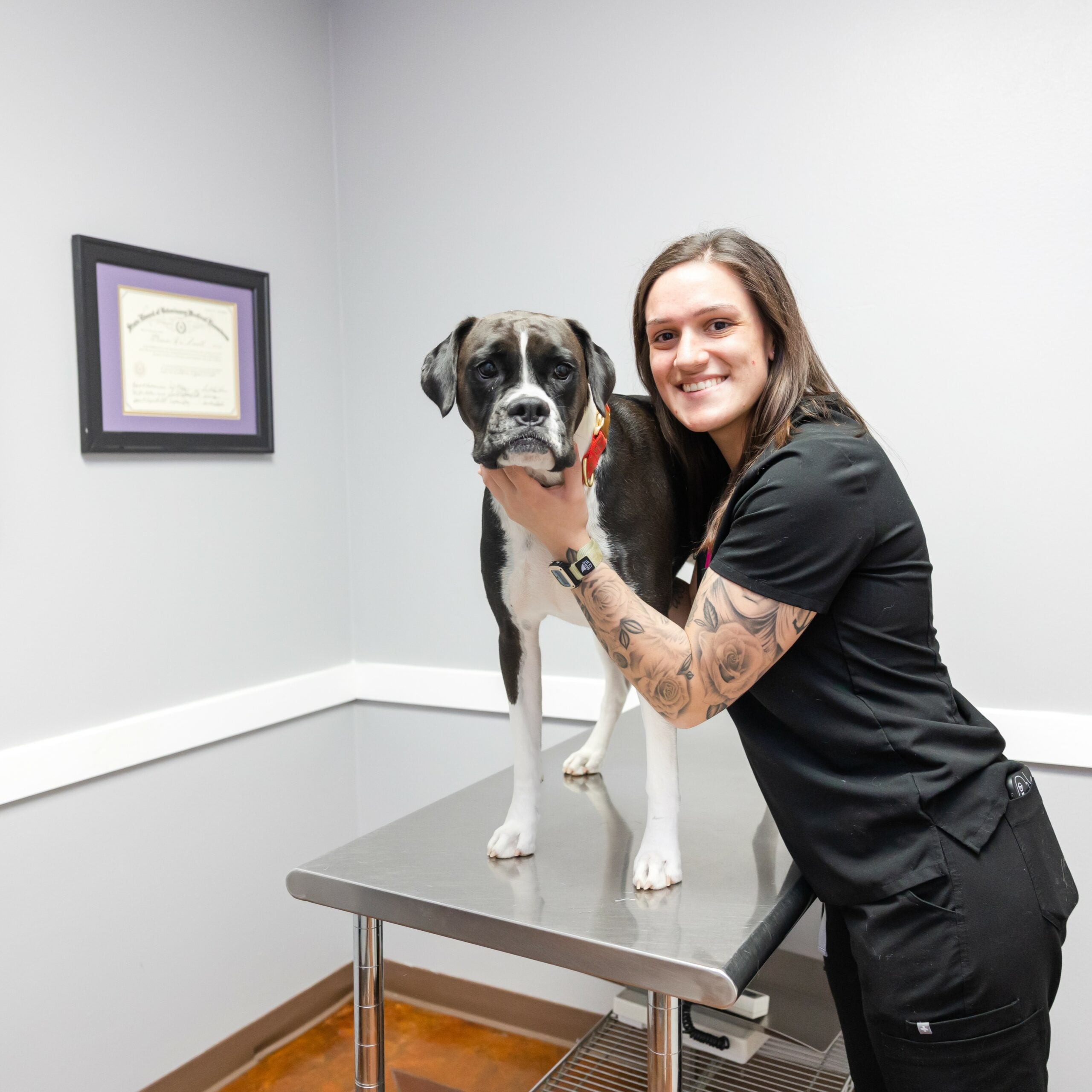
The tools we use are complemented by a broader framework that informs every decision. We recognize that pain management is not purely about eliminating pain; it is about enabling function, maintaining quality of life, and supporting a humane end of life when necessary. For some pets, chronic pain is a companion that cannot be eliminated entirely. In these cases, we pursue maximum comfort, consistent monitoring, and proactive adjustments to habitat, exercise, and mental engagement. We also consider the family’s capacity and resources, ensuring that the plan is feasible and sustainable in the long run. A plan that looks perfect on paper but cannot be implemented at home serves no one.
In our practice, education is a constant thread. We train clients to observe specific behaviors and report them in a structured way. For example, after a procedure, we might coach families to note how many times their dog uses the leg during a 10-minute walk, or how many meals Milo turns away from compared with baseline. Small, systematic notes over a week reveal trends that a single clinic visit could miss. We provide guidance on safe handling, signs of adverse drug reactions, and when to contact us for a quick check-in. This education strengthens the care network around the pet and reduces the fear and uncertainty that often accompany pain.
The long arc of care often hinges on the timing of interventions. We have learned, through experience, that early, proactive management yields better outcomes than reactive treatment in many cases. When a patient presents with signs that pain is creeping up, waiting for a noticeable change in behavior is a losing strategy. Early intervention can mean less reliance on higher doses of analgesics later, smoother recovery after surgery, and less risk of chronic pain developing. The balancing act is delicate because we also want to minimize drug exposure and avoid unnecessary interventions. Our practice uses a tiered approach: initial conservative management with close monitoring, followed by escalation if needed, all while maintaining open communication with the owner.
It is impossible to discuss pain assessment tools without acknowledging the emotional component of care. Owners carry the weight of their pet’s comfort and the anxiety that comes with medical decisions. Our role is not only to diagnose and treat but to ease those worries. We provide clear explanations about the purpose and expected course of treatments, outline realistic timelines for improvement, and celebrate small gains along the way. Small victories—like Milo returning to a favorite toy, or a cat resuming grooming after a period of withdrawal—become milestones that reinforce the partnership between the clinic and the family.
In the end, the strength of prairieville animal hospital’s approach lies in its pragmatism. We do not chase perfect data in pursuit of flawless perfection. We seek reliable signals, consistent monitoring, and a patient-centered plan that adapts to changing circumstances. The pain assessment tools we employ are not ends in themselves but means to a larger goal: to restore comfort, preserve function, and sustain a sense of normalcy for the pets and the people who love them.
Two practical takeaways can help any pet family when navigating pain management in collaboration with a veterinarian:
First, keep a simple daily log. Note appetite, activity, sleep, willingness to be touched, and ease of movement. Short entries over a week can reveal patterns that a single visit would miss. Sharing this log with your veterinarian builds a clearer picture and helps tailor treatment.
Second, communicate changes promptly. If you notice a new limp after a walk, a reluctance to jump into the car, or a decrease in enthusiasm for play, report it. Time matters in pain management, and early adjustment can prevent regression.
As we continue to refine our methods at Prairieville Animal Hospital, the goal remains consistent: to convert pain from a disruptive force into a vet near prairieville la manageable aspect of life that allows pets to enjoy their best days. We measure progress not only by numbers on a form but by the warmth of a wagging tail, the lift of a head after a tough moment, or a quiet, contented purring that speaks volumes in its own language. The pain that pets endure is real, but the tools we use to understand and treat that pain are practical, humane, and grounded in everyday experience.
If you are preparing for a visit or planning long-term care for a pet with chronic pain, consider how your everyday observations fit into a broader framework. Your veterinarian will appreciate the level of detail you can provide, and your pet will benefit from a care plan that responds to real-world needs. In the hands of a skilled veterinary team, pain assessment becomes a pathway to improved quality of life, a guide through recovery, and a quiet assurance that your pet is seen, heard, and cared for with respect and competence.
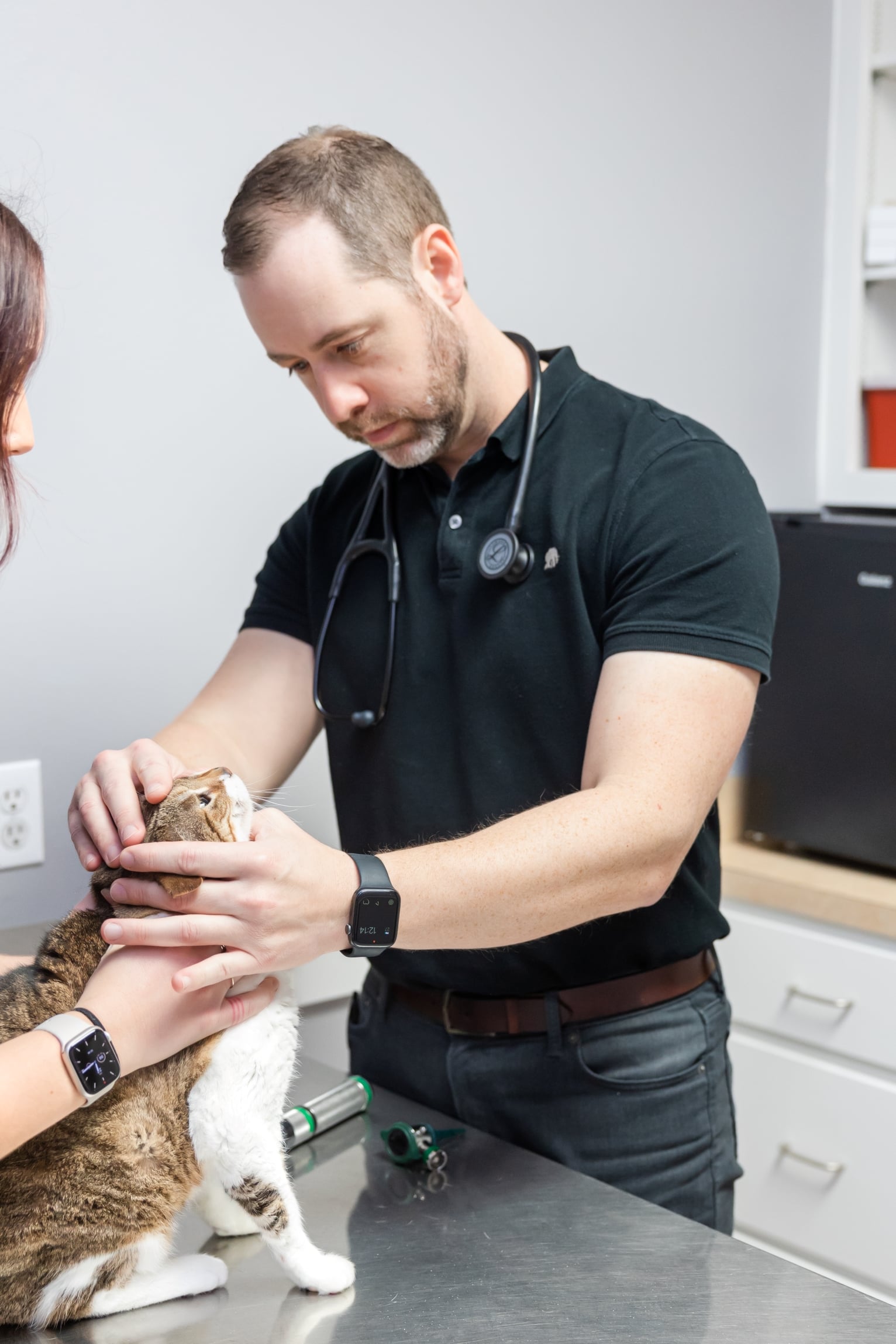
Two concise lists capture the essence of how we apply pain assessment tools in practice. They are not exhaustive, but they reflect common patterns you may encounter in a Prairieville setting.
-
Behavioral indicators that often prompt a closer look at pain
-
Reluctance to move or jump, even after a rest period
-
Changes in gait, guarding a limb, or limping
-
Decreased appetite or reluctance to engage in favorite activities
-
Increased vocalization when touched in previously normal areas
-
Withdrawal from interaction, guarding the body, or sleep disruption
-
Elements we combine with clinical judgment for a complete assessment
-
Owner-reported changes in daily routines and mood
-
Objective scores from validated pain scales appropriate to species and size
-
Physiological cues such as heart rate, breathing pattern, and pupil response
-
Physical examination findings including range of motion, palpation response, and posture
-
Response to initial analgesia and timing of re-evaluation for ongoing therapy
Throughout this discussion, the overarching message is clear: pain assessment is a dynamic, collaborative process. The tools we employ at Prairieville Animal Hospital are designed to be practical, repeatable, and sensitive enough to detect meaningful change while staying grounded in the realities of daily life with pets. They are not about chasing a number; they are about refining care to reduce suffering and enhance function. The work happens in the kennel, in the exam room, and in the living room where families observe their animals asleep, awake, and in between.
For families facing difficult decisions about pain management, the pathway can feel daunting. Yet the framework we use—balancing owner observations, behavioral scores, physiological signs, and clinical judgment—offers clarity. It creates a map from symptom to solution, with the patient as the focal point rather than a set of lab values alone. And while every case is different, the shared aim remains constant: to restore mobility, preserve independence, and preserve the dignity of a life well lived.
If you’re considering a visit or simply want to understand how pain assessment tools could help your pet, feel confident in reaching out. Prairieville Animal Hospital is a place where experience meets careful listening, where evidence aligns with empathy, and where the science of pain management serves the quiet, daily acts of life that matter most to you and your animal companion. The road to better comfort is not a single step but a series of informed, compassionate choices guided by observation, measurement, and the steady partnership between you and your veterinary team.