Prairieville Animal Hospital Veterinarians: Parasite Education for Pet Owners
Parasites are a fact of life for dogs and cats, especially in regions that mix rural land with urban neighborhoods. At Prairieville Animal Hospital, our veterinarians spend a lot of time talking with pet owners about parasites not as a scare tactic but as a practical part of responsible pet ownership. When you understand how parasites live, spread, and affect your animals, you can build a smarter, more reliable plan for prevention, early detection, and treatment. This article reflects years of clinical experience serving families who want steady, science-based guidance rather than marketing hype.
Parasites arrive in many forms and across different seasons. Some hitchhike inside a vitamin bottle or a toy, others ride in on fleas or small wildlife that wander into the yard. The pattern I’ve seen again and again is simple: prevention compounds the odds of a pet staying healthy, while delay converts a manageable issue into a longer, costlier treatment. The payoff of proactive care is straightforward. Fewer days spent worrying about a pet’s comfort, fewer trips to the clinic for emergency issues, and less chance that a parasite will silently affect a pet’s health over months or years.
This article is organized to help you apply practical knowledge right away. There are no vague promises or vague timelines. You will find concrete details about what we see in practice, how parasites behave in the Prairieville climate, and how you can translate that into everyday routines at home. We’ll cover the why behind prevention, the key parasite players, transmission pathways in simple terms, and a set of realistic steps that fit into a busy family schedule.
From the perspective of a veterinary team in a bustling animal hospital, prevention is a collaborative effort. It starts with accurate diagnosis when a problem appears and continues with tailored advice based on your pet’s lifestyle, age, medical history, and exposure risk. The goal is not to frighten you with worst-case scenarios but to empower you to make informed decisions that keep your pet comfortable and your household safe.
The landscape of parasites has evolved in the last decade. Some communities saw a resurgence of certain parasites as wildlife populations shifted, others faced new challenges as climate patterns changed. Prairieville remains a place where outdoor time is valued, and that means we must stay vigilant about internal parasites such as roundworms and hooks, heartworms that quietly threaten heart and lungs, and external pests that invade skin and fur. We also confront less common parasites that can still cause meaningful health concerns, especially for puppies, kittens, seniors, or pets with compromised immune systems. The practical reality is that many infections are preventable with routine care, regular testing, and thoughtful management of your pet’s living environment.
In the sections that follow, you’ll find a blend of science-based explanations and real-world tips. I’ll share concrete examples from our daily practice, describe how we assess risk, and outline a practical prevention plan you can adapt to your family’s rhythm. If you’re already a seasoned pet owner, you’ll recognize the same patterns you’ve seen in years of routine care. If you’re new to the process, you’ll come away with a clear sense of what to discuss with your Prairieville Animal Hospital veterinarian and how to structure a dependable parasite control program.
What makes prevention work in practical terms
Prevention is not a single product or a single moment in time. It is a sequence of well-timed actions that reduce the chance your pet will become infected, and it is anchored in regular veterinary follow-up. The core idea is to minimize exposure and minimize the parasite load if exposure occurs. A healthy pet is not guaranteed to avoid every parasite, but a well-managed program decreases the likelihood that a parasite will cause symptoms serious enough to require urgent care or lead to long-term health consequences.
A clinician’s day teaches two important truths about parasite prevention. First, no one plan fits every pet. Second, the best prevention adapts to seasons, weather, and the pet’s changing life stage. Puppies and kittens are naturally more susceptible because their immune systems are still developing and because they often explore the world with their mouths and paws. Senior pets may experience shifts in immunity or metabolic function, which can influence how a parasite behaves in the body. And all dogs and cats, regardless of age or breed, benefit from a consistent routine that fits their daily lives.
In practice, we begin with a screening approach. A full preventive plan combines two pillars: accurate identification of current parasites when present and a proactive schedule that limits future exposure. The screening aspect means annual blood tests for heartworm in dogs and appropriate fecal tests for intestinal parasites in dogs and cats when indicated. The preventive aspect means selecting products that provide broad protection against multiple parasite categories and using those products as directed by a veterinarian. It also means addressing environmental factors that facilitate parasite life cycles, from yard cleanup to flea control and wildlife management around the home.
Choosing the right tools requires a practical eye. Some products target a host of internal parasites; others shine in particular areas. The veterinary team at Prairieville Animal Hospital emphasizes products with proven efficacy in field conditions rather than shiny marketing claims. We also pay attention to the potential for drug resistance and the importance of rotating products when appropriate, all while avoiding gaps in coverage. The aim is steady, consistent protection rather than quick fixes that fade after a season.

Two lists you can rely on for practical understanding
Common parasites that pet owners should know about, and how they typically affect pets:
- Intestinal parasites such as roundworms and hookworms that are commonly transmitted via contaminated soil or feces. In puppies and kittens, these can cause poor growth, vomiting, diarrhea, and general lethargy. In older animals, the issues might be subtler, such as mild weight loss or soft stools. Regular deworming in young animals is a standard part of early care, and ongoing fecal testing helps catch less obvious infections.
- Tapeworms that animals can pick up after ingesting fleas or small prey. Signs include segments visible in stool or around the rear end. Prevention hinges on flea control and avoiding opportunities for a pet to chase or ingest potential intermediate hosts.
- Heartworms carried by mosquitoes. These parasites lodge in the heart and lungs and can cause coughing, exercise intolerance, and, in severe cases, heart failure. Annual heartworm testing combined with year-round preventive medication has become a standard practice in many regions, including our area.
- External parasites like fleas and ticks. They cause itching, skin inflammation, and in some cases transmit additional diseases. The impact goes beyond discomfort; flea allergy dermatitis is a common reason pets present with skin disease in practice.
- Less common parasites such as certain intestinal protozoa or lungworms. They appear more often in animals with specific exposure histories or in certain geographic pockets. We monitor for them in patients with persistent gastrointestinal signs or respiratory symptoms and adapt the preventive plan accordingly.
A second list shifts into actionable prevention steps you can begin implementing with confidence:
- Commit to a consistent monthly preventive regimen for each pet, timed with your household routine so it isn’t forgotten during travel or busy weeks.
- Schedule regular fecal testing and heartworm screening at intervals that reflect your pet’s risk profile and local disease prevalence.
- Maintain a clean environment by picking up feces promptly, washing bedding, and limiting access to wildlife or intermediate hosts when feasible.
- Use flea and tick control products that match the pet’s lifestyle and your climate, combining environmental management with topical or oral medications as recommended.
- Discuss vaccination and overall health maintenance in tandem with parasite prevention to ensure you’re not missing other protective measures that influence immune function.
What parasites look like under the microscope and what that means for you
No owner wants to see a parasite under a microscope, but understanding what your veterinarian actually tests for can demystify the process. In practice, many intestinal parasites produce eggs that are detectable in fecal flotation tests. The presence of eggs indicates an infection, but the level of impact on the animal depends on the worm burden, the pet’s age, and concurrent health issues. In puppies and kittens, even a small worm burden can cause malnutrition or anemia if left untreated. In adult animals, low-level infections may persist without obvious clinical signs but still influence nutrient absorption and stool consistency over time.
Heartworm testing operates differently. In most cases, we rely on a blood test that detects the presence of heartworm proteins. The test is designed to be sensitive enough to identify infections before they cause overt clinical signs, which is why annual screening is essential even for pets that appear perfectly healthy. The challenge is that a heartworm infection can be silent for months, only to emerge as a serious condition once the parasite load increases. The practical takeaway is that we often cannot rely on a pet’s appearance alone to gauge risk. The test is a preventive measure in itself, not a diagnostic comment on current status.
External parasite evaluation is equally practical. Flea combs, skin exams, and behavioral observations help identify comfort levels and scratching patterns that might indicate infestation. A flea management plan is often a combination of product use, environmental cleaning, and sometimes treatment of household hotspots. The same logic applies to ticks, where the goal is to minimize exposure and reduce the chance that a pet contracts a tick-borne illness. Tick prevention is not a one-and-done deal either; it requires ongoing attention because tick seasons fluctuate and the local ecology is unpredictable.
From our side of the exam table, the most common mistakes owners make relate to timing and compliance. Waiting until a pet shows signs of illness is a common error. By then, the parasite may have already caused functional changes that require more intensive therapy. Another frequent misstep is assuming that an over-the-counter product is equivalent to a veterinary-grade product. The veterinary team’s guidance is based on clinical data, including product label claims, resistance patterns, and whether a pet’s lifestyle warrants broad-spectrum coverage or targeted protection.
Practical strategies that fit a busy life
The day-to-day reality for families means we need prevention plans that are easy to maintain and sustainable. There’s an art to fitting medical routines into life without them feeling burdensome. In our practice, we emphasize three core ideas: consistency, adaptability, and clear communication.
Consistency matters more than the exact product you choose. A predictable schedule reduces the chance that you’ll skip doses or miss annual testing. If you travel or have a seasonal routine, work with your veterinarian to adjust timing or switch products as needed. Adaptability is about recognizing when your pet’s environment changes. A dog that spends summers at a lakehouse or a cat that roams an unfenced yard might require stronger protection or more frequent monitoring. Clear communication ensures you understand what the plan covers, what the signs of potential trouble look like, and when to call a clinic for advice.
In practice, a solid plan often includes the following elements:
- Regular preventive administration, aligned with your household calendar and the product’s duration of action.
- Periodic fecal testing for dogs and cats with any exposure to outdoor environments or where there is a history of intestinal parasites.
- Yearly or as-needed heartworm testing, depending on risk, local guidelines, and the pet’s lifestyle.
- Flea and tick control integrated with environmental hygiene and pet grooming routines.
- A readiness framework for emergencies, including knowing whom to contact after hours and what information to have on hand when you call.
The realities of life with pets sometimes produce edge cases that test a plan’s robustness. For instance, what if you have a rescue dog with an uncertain vaccination history? We approach such cases with a cautious, evidence-based strategy. We may begin with a broader screening test to establish a baseline, then tailor long-term prevention to the animal’s actual risk. If a pet has a recipient lineage of heart or lung disease, we adjust the heartworm prophylaxis to reflect the potential for complications. If flea exposure is heavy in your area, we may implement a combined approach that targets both external and internal parasites more aggressively. Good parasite control is rarely a single action; it’s a suite of coordinated steps that work together over months and years.
Real-world examples from Prairieville Animal Hospital
One memory stands out from recent seasons where a routine checkup uncovered more than a routine concern. A family brought in a three-year-old mixed breed who had been active, happy, and otherwise healthy. The dog’s owner reported intermittent itching and some mild shedding around the tail and hind legs. A careful skin exam found no alarming lesions, but a fecal test revealed a mild roundworm infection that could have gone unnoticed if the dog’s energy and appetite had not remained consistent. We started a short deworming course and reinforced a prevention plan that included monthly oral medication and strict yard hygiene. Six weeks later, the dog showed none of the previous signs, and the owner appreciated how straightforward the plan remained despite a busy schedule.
Another case involved a kitten born outdoors who developed a curious habit of nibbling on grass and soil. The kitten presented with diarrhea and weight loss, and a fecal exam confirmed a protozoal infection along with a light intestinal parasite burden. The family was new to pet ownership and anxious about giving medicines. We offered a gentle, staggered plan that combined short-term hydration support, a careful deworming regimen, and a long-term prevention schedule. The kitten recovered with a positive trajectory, and the family learned how environmental exposure invites certain parasites but can be managed with a measured approach.
These stories illustrate a routine truth: parasites are not an indictment of the owner or the pet. They reflect natural life in an environment where animals explore, sniff, and chew. The veterinary team’s job is to translate risk into practical steps that fit a family’s day-to-day life. We aim to remove uncertainty and replace it with clarity about what to do next, and when to seek help.
How to choose a Prairieville Animal Hospital veterinarian for parasite care
Selecting a veterinarian is a personal process, shaped by the chemistry you feel in the exam room as well as the clinic’s approach to care. At Prairieville Animal Hospital, our veterinarians prioritize education and ongoing, honest conversations with pet owners. You’ll find clinicians who explain test results in plain language, who discuss the pros and cons of different preventive products, and who align prevention plans with your pet’s life stage and living environment.
When you come to our practice, you can expect a few constants. First is a thorough assessment that considers the animal’s medical history, current symptoms, and the potential exposure to common parasites in your region. Second is a transparent discussion about options, including the reasoning behind recommended products and whether a switch might be advantageous due to changes in your pet’s lifestyle. Third is a comprehensive care plan that integrates parasite prevention with other health priorities like dental care, nutrition, and vaccination schedules. We are not merely prescribing a pill; we are building a day-to-day framework that supports long-term well-being.
A practical tip when meeting any Prairieville Animal Hospital veterinarian is to come prepared with questions about your pet’s routine. If your dog spends weekends at a farm, mention that. If your cat hunts in the yard, bring that up too. The more detail you provide, the better we can tailor the plan. Also ask about how to monitor for side effects and how often to reevaluate the plan in light of seasons, travel, or changes in health status. The relationship between you and your veterinary team is the most important factor in a parasite prevention program that actually works.
Beyond products: environmental and behavioral considerations
Parasite control extends beyond medications. It also involves environmental hygiene and sensible behavioral choices that reduce exposure. Yard maintenance matters, especially in areas with high wildlife activity. Promptly cleaning up pet feces not only promotes sanitation in your yard but reduces the chance that eggs or larvae will remain in soil where your dog may dig or sniff. For some families, that means a nightly routine of picking up waste and discarding it in a covered trash receptacle. For others, it means investing in outdoor play spaces with appropriate surface materials that are easier to sanitize.
Grooming plays a role too. Regular brushing helps you spot fleas and ticks early and reduces the spread of parasites between pets. If your household includes multiple animals, a synchronized preventive get more info routine helps prevent cross-contamination and makes it easier to maintain consistent protection for everyone. Even simple steps like washing your pet’s bedding and cleaning food and water bowls can influence parasite exposure, particularly for pets with sensitive skin or a history of dermatitis linked to external parasites.
Finally, education matters. We encourage families to learn the signs of potential issues so they can seek timely advice. For internal parasites, watch for changes in appetite, weight, stool shape, and energy level. For external parasites, keep an eye on scratching, red skin, or hair loss in localized areas. If you notice something unusual, schedule a check-in with your Prairieville Animal Hospital veterinarian rather than waiting for a routine appointment. Early detection often leads to quicker, simpler solutions.
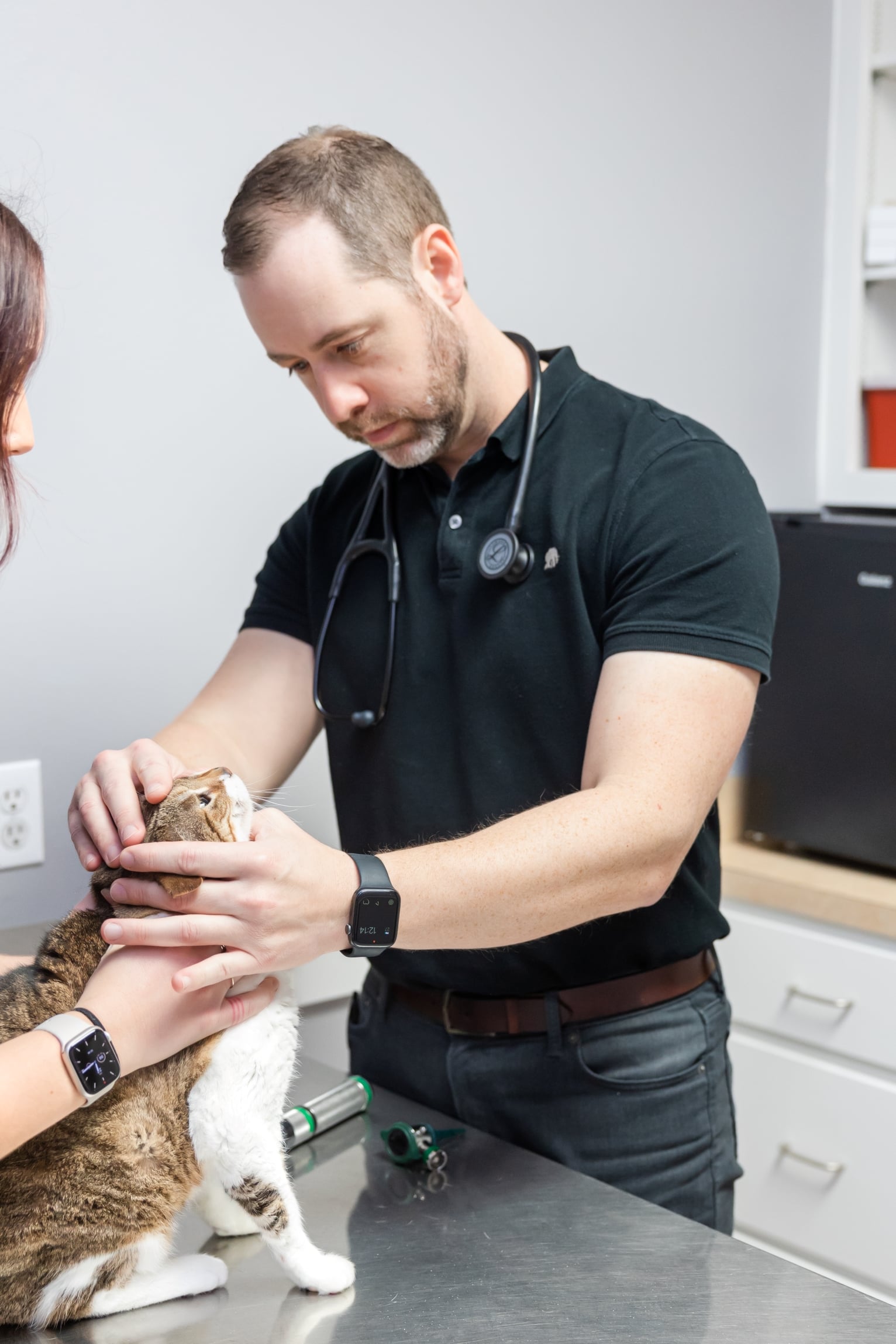
A note on the broader veterinary landscape
Parasite education is not static. New products come onto the market, resistance patterns shift, and community health data evolves. Our veterinarians stay current by reviewing the latest guidelines and by listening to the experiences of families who live with pets in our town. We collaborate with pet owners to translate scientific updates into practical plans. The aim is to balance efficacy with safety, cost with value, and convenience with reliability.
If you are curious about specific products or want to understand how a given regimen aligns with your pet’s age and health, we welcome the conversation. The choice of a parasite prevention strategy is highly individualized, and it should always be revisitable. Your Prairieville Animal Hospital veterinarian can help you reassess annually or whenever life changes require adjustments, such as a new household pet, a different travel pattern, or the adoption of a new outdoor activity for your dog.
The bottom line for pet owners
Parasites are a normal element of animal life in many environments, yet their impact is anything but ordinary. With a clear plan, you can reduce the chance that a parasite will disrupt your pet’s comfort, energy, or longevity. The most reliable approach blends routine testing with consistent preventive care and thoughtful environmental management. The goal is straightforward: keep your pet healthy, keep your home safe, and keep your family informed without turning prevention into a source of anxiety.
If you are unsure where to start, here is a concise path that many families have found workable.
A practical starting point for households with dogs and cats
-
Schedule a wellness visit with your Prairieville Animal Hospital veterinarian to review your current parasite prevention plan and discuss any environmental changes that may influence risk.
-
Confirm the parasite protection plan that aligns with your pet’s life stage, exposure, and medical history. This plan should cover internal parasites, external parasites, and heartworm where relevant.
-
Establish a reminder system that works for you. Whether it is a calendar alert, a smartphone reminder, or a household routine, consistency is the objective.
-
Plan for annual or semi-annual re-evaluations so we can adjust the plan as your pet ages, your outdoor activities change, or new products become available.
-
Maintain open communication. If you notice changes in appetite, energy, skin, or stool, report them promptly.
Conclusion without using the word conclusion
What you take away from this piece is a practical mindset rather than a catalog of products. Parasite prevention is a living process that adapts as your pet grows, as seasons shift, and as your family’s routines evolve. It requires a respectful, ongoing partnership with your Prairieville Animal Hospital veterinarian, one that places real-world constraints alongside clinical knowledge. The result is a plan that fits your life and supports your pet’s health in tangible, measurable ways. When you see the difference, it isn’t about a single advantage but about a steady stream of smaller, cumulative benefits—the absence of worried nights, the predictable energy in the mornings, and the quiet confidence that comes with knowing you are doing right by your animal companion.