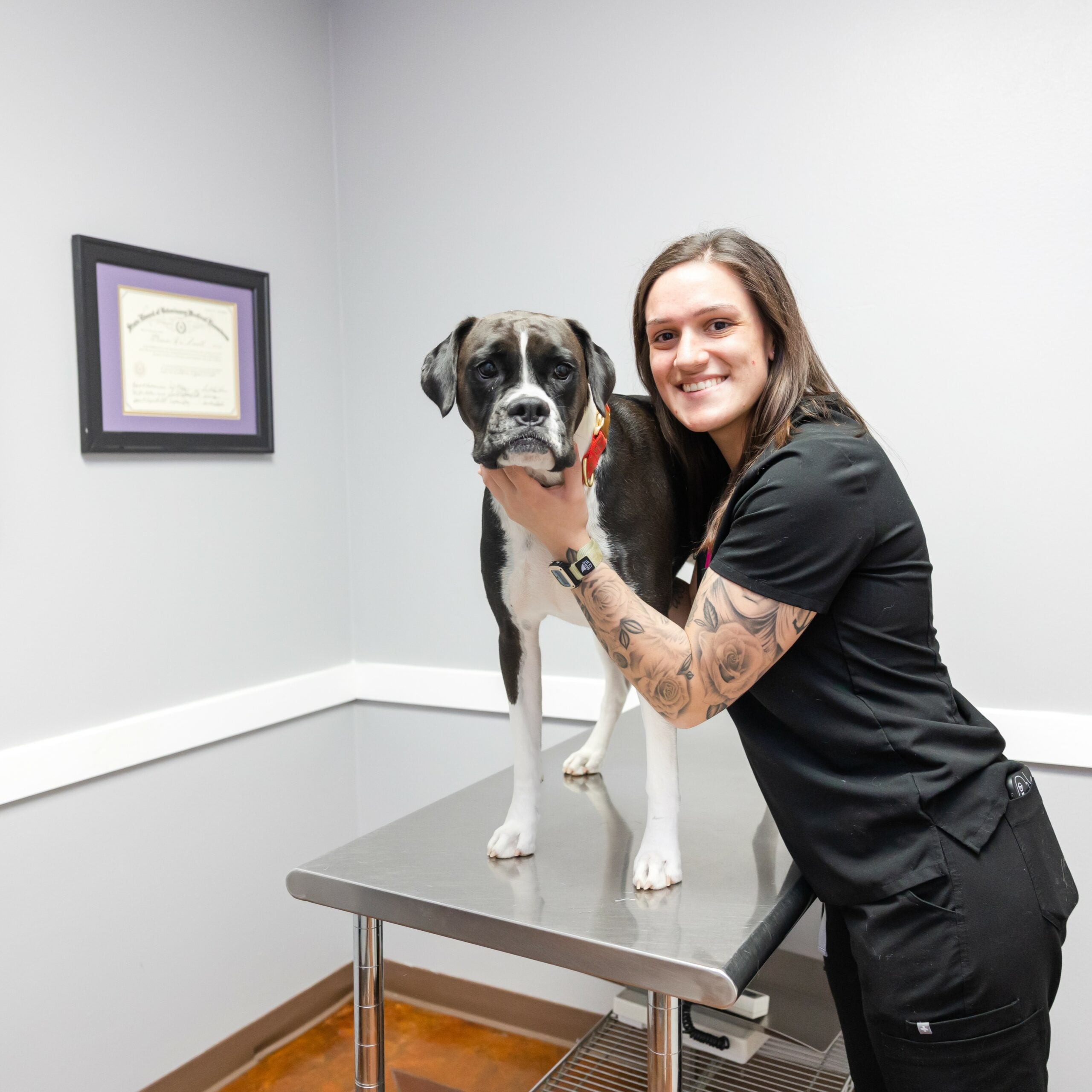
Vet Near Me Deconstructed: Prairieville Animal Hospital’s Services
Locating pet boarding near me the right veterinary partner for a family member means more than finding a place that treats pets well. It’s about a clinic that understands routines, fear triggers, and the daily realities of owning a dog, cat, or small mammal. Prairieville Animal Hospital operates in that space between clinical competence and practical, everyday care. This article digs into what a full-service animal clinic near me can offer, with an eye toward what Prairieville does in practice, and how pet owners can navigate the choices without feeling overwhelmed.
What a full-service hospital actually covers can feel like a moving target. The truth is, most clinics strive to balance two forces: comprehensive medical capability and a patient-first, low-stress experience. The mix changes with the community, the season, and the available staff. Yet there are core pillars that remain consistent across quality practices. At Prairieville Animal Hospital, the objective is to keep pets healthy, owners informed, and care efficient enough to fit into real life. That means a blend of routine preventive work, diagnostic depth, clear communication, and a compassionate bedside manner that makes even tough visits manageable.
Preventive pet care is the backbone of long-term pet health. A well-run clinic treats preventive care not as a monthly ritual but as a mutual commitment. It’s about consistent scheduling, evidence-based vaccines, and a plan that evolves with a pet’s age and lifestyle. When a family brings in a one-year-old puppy for the first wellness exam, the moment should feel practical rather than ceremonial. The clinician explains the rationale behind vaccines, parasite control, and behavioral check-ins. In a midlife stage, the same visit morphs into a discussion about weight management, dental health, and early screening for chronic disease. For seniors, preventive care expands to monitoring for mobility changes, subtle cognitive shifts, and organ function that might not trigger obvious symptoms yet. A clinic that treats preventive care as a revolving plan rather than a one-off appointment tends to yield better outcomes. It also reduces surprises when emergencies arise, because the baseline has been established and documented in a clear, accessible way.
Pet boarding is a service that often reveals a clinic’s character more than most routine checkups do. A boarding facility connected to a veterinary hospital carries the promise of medical oversight in case a pet’s health status changes while away from home. The difference between a simple kennel and a thoughtfully run boarding operation comes down to staffing, attention to enrichment, and the ability to respond quickly if a pet experiences stress or illness. Prairieville Animal Hospital’s approach to boarding emerges from a philosophy that treats boarders like temporary guests who deserve individualized attention. The best boards pair quiet, comfortable spaces with daily supervision and predictable feeding routines. There are still inevitable trade-offs: a clinic may not offer 24/7 live monitoring, and owners will be asked to provide detailed medical histories, current medications, and emergency contact plans. Yet boarding at a trusted hospital often provides confidence that any health issue will be recognized promptly and handled by professionals who already know the pet.
When clients ask what sets a good animal clinic near me apart, the answer tends to fall into three buckets: accessibility, clinical depth, and the ability to translate medical jargon into practical guidance. Accessibility is not merely about open hours; it includes the ease of scheduling, the clarity of post-visit follow-ups, and whether the staff can accommodate the typical rhythms of a busy household. A clinic that broadcasts its data in plain language—what tests were run, why they were chosen, what the results imply, and what the next steps look like—helps owners participate in decisions rather than feeling sidelined. Clinical depth matters. It’s the difference between a practice that can manage routine injuries and a team that can interpret a radiograph with confidence, recognize early signs of disease, and deploy a nuanced treatment plan. And translating medical language into daily life is where a good clinic earns trust. The goal is not to confuse clients with medical terms but to empower them with know-how they can apply at home, at work, or in the car during the ride to the clinic.
A well-rounded hospital will also wrestle with the realities of pet health economics. Veterinary care is not cheap, and the most responsible clinics acknowledge this while avoiding punitive pricing tricks. The conversation around cost should be transparent, including itemized estimates, what is billable after an initial consultation, and what value comes with each recommendation. In practice, this translates to a tiered approach to care. The team can present an essential baseline plan and offer optional add-ons, all explained in plain language. The best clinics also help families find affordable alternatives when appropriate, such as generic medications, rotating vaccines that still meet veterinary guidelines, or community-based pet resources, without compromising safety or quality.
The human element remains central in any animal clinic near me. The most reliable practices treat staff as professionals with a shared mission rather than as interchangeable cogs. A calm, organized reception area, a technician pool that remains steady across shifts, and veterinarians who can pivot between urgent cases and longer education conversations all contribute to an atmosphere where clients feel seen and pets feel less threatened. Prairieville Animal Hospital often distinguishes itself through the way its team members communicate across roles. Receptionists who can provide smooth scheduling and estimate explanations; technicians who guide owners through what a blood draw feels like and why it’s necessary; veterinarians who listen first and then offer options. This ecosystem—supportive front desk, competent nursing staff, and trusted clinicians—appears in the rhythm of every appointment and helps families build a long-term plan rather than a shooting-match of quick fixes.
The diagnostic toolkit is one of the clearest markers of a hospital’s capacity. A robust animal clinic near me will combine in-house equipment with access to external laboratories when necessary. The immediate question is whether a clinic can deliver reliable results in a timely fashion and interpret them accurately in the context of a pet’s clinical presentation. Modern general practice often includes digital radiography, ultrasound, basic in-house blood work, and rapid fecal testing. For more complex investigations, partnerships with external labs or referral specialists become part of the workflow. The aim is to minimize patient stress while maximizing information yield. In the field, this often means the clinician starts with what can be done on site during a single visit and escalates to more advanced diagnostics only when necessary. The real value lies in a clear plan that ties together symptoms, test results, and practical treatment steps.
If you look for a throughline in Prairieville Animal Hospital’s service philosophy, it is this: care is a continuum, not a single event. A visit can begin with a straightforward vaccination or a routine wellness exam, but the conversation tends to expand. The clinician might point to a dental health discussion that leads to a home care plan, or discuss nutrition and exercise as pathways to a healthier future. The most meaningful outcomes come not from a dramatic intervention but from steady, reasoned management over months and years. In the real world, that means a clinic that tracks progress, revisits goals, and adjusts recommendations with new information. It also means a willingness to acknowledge limits, to refer when a specialist is a better fit for a complex problem, and to maintain open channels with the client about what is happening behind the scenes.
A closer look at the structure of services helps demystify what many clients want to know. A typical full-service hospital offers: wellness exams and vaccinations, dental care, nutrition counseling, parasite control, laboratory testing, radiology and imaging, surgical services, anesthesia with safety protocols, and emergency or after-hours guidance when needed. Not every practice will provide every service in-house, but most will have a clear pathway for what happens when a problem requires more than routine care. A healthy clinic will also offer the convenience of integrated care: a single record that travels with the pet across appointments, a consistent approach to pain management and post-procedure monitoring, and a dedication to minimizing stress for both pet and owner.
To illustrate the practical texture of these offerings, consider a typical week at a busy animal hospital near Prairieville. Monday begins with check-ins that include a quick triage for pets arriving with soft tissue injuries after weekend activities, followed by routine vaccines for a litter of puppies and a scheduling window for dental cleanings. Tuesday might focus on senior pet care, with bloodwork and imaging arranged to screen for early kidney or liver changes, and a nutrition consult tied to weight management goals. Midweek could bring a surgical suite day, where spay and neuter procedures are scheduled alongside more minor soft tissue surgeries, all conducted under anesthesia protocols designed to minimize risk. By Friday, the team often rounds on chronic conditions, reviewing diabetic management plans and adjusting insulin dosing or dietary recommendations. The cadence reveals a hospital that treats care as a coordinated process rather than episodic visits, which in turn supports better outcomes and less owner anxiety.

People who own pets with complex needs tend to value clinics that can coordinate with specialists and provide contingency planning. A dog with chronic kidney disease might need regular blood tests, dietary adjustments, and careful monitoring for dehydration. A cat with hyperthyroidism requires a carefully calibrated medication plan and routine energy assessments. A small mammal with dental malocclusions calls for specialized techniques and sometimes surgical intervention. In such cases, the hospital’s ability to coordinate care with boarded specialists, or to arrange referrals with minimal disruption to the patient, makes a real difference. The practical impact shows up in fewer unnecessary trips, fewer redundant tests, and a clearer sense of progression. Owners can see that the clinic has built a network around their pet’s health, rather than treating each symptom as a standalone event.
Choosing a clinic near you is a decision led by hands-on experience and honest communication. Several factors shape whether Prairieville Animal Hospital or a comparable practice is the right fit for a given family. The first is the clinic’s willingness to involve the owner in decision-making. A good clinician will walk through the pros and cons of diagnostic options, the expected timelines, and the potential side effects of different treatments. The second factor is the transparency of pricing. Owners appreciate itemized estimates with a clear plan for what happens if a condition worsens or if new symptoms arise. The third factor is the emotional climate of the clinic. Pets sense stress, and a calm, organized environment often makes a big difference in the overall experience. Finally, ask about access to after-hours care and how the clinic handles emergencies. Some communities rely on a network of after-hours clinics, while others maintain on-site coverage or teletriage services that help clients decide whether a trip to the hospital is necessary right away.
For pet parents who want to be prepared, a short checklist can help during the first reconnaissance phase. This is not a rigid protocol but a framework to guide conversations during initial visits and tours.
Two short lists can help with clarity, and they respect the guideline of limiting lists to two sets. These lists are designed to be practical and succinct, not exhaustive.
-
Core services a hospital should offer 1) Wellness exams and vaccinations tailored to life stage 2) In-house diagnostics including blood work and basic imaging 3) Dental care with anesthesia safety protocols 4) Surgical and anesthetic capabilities with postoperative care 5) Emergency guidance and access to after-hours care or clear triage pathways
-
Questions to ask during a first visit or tour 1) How do you determine the need for in-house vs external testing? 2) What is your policy on pain management and comforting pets during procedures? 3) How is patient data communicated to owners after visits? 4) What options exist for chronic disease management and follow-up? 5) How does the hospital handle emergencies or after-hours concerns?
These prompts keep the conversation anchored in real-world concerns rather than vague assurances. They also signal to the clinician that the owner values a collaborative approach to pet health. It is not a gray area when it comes to making choices that affect a pet’s well-being over months or years. The responses to these questions often reveal the true character of the clinic: whether there is a plan for continuity, whether the staff can explain complexity without talking down to clients, and whether the environment remains calm and navigable even when the hospital is busy.
There are edge cases worth considering, especially for families with limited time or limited budget. A common challenge is deciding when to pursue advanced diagnostics versus focusing on comfort and palliative care in older pets. In such moments the clinician’s honesty matters. They should be able to articulate what information will genuinely influence the treatment trajectory and what is best left to routine comfort measures. Another nuance is the pace of a clinic that doubles as a boarding facility. While boarders may add a layer of convenience for families with travel plans, it can also alter scheduling dynamics, staff attention, and resource allocation. A thoughtful hospital will balance these competing demands by maintaining clear boundaries, setting expectations with clients, and ensuring that critical medical care remains the top priority even when the boarding rooms are at capacity.
It’s useful to acknowledge that no clinic is perfect, and every practice will have its limitations. A clinic may excel in preventive care and diagnostics but require referrals for complex surgical cases. Or it may house a robust dentistry program while outsourcing certain imaging studies. The key is transparency about what is done in-house, what requires external partners, and what the typical turnaround times look like. Pet owners should not expect miracles at every turn; instead, they should seek a practical, well-communicated plan that aligns with their pet’s health goals and their family’s realities.
In the end, the question of how a clinic near me stacks up comes down to lived experience. It’s the small things that accumulate into a dependable partnership: the way a receptionist notes a pet’s allergies for future visits, the way a nurse explains a blood test result in plain terms, the consistency with which a veterinarian follows up after a procedure. These are not glamorous traits but the anchors of trust. Prairieville Animal Hospital embodies this approach through a composite of accessible scheduling, a steady team of skilled technicians, and clinicians who honor the human-animal bond as a central element of every decision. The result is not a single impressive feature but a coherent, reliable system that patients and their families can rely on over time.

For families navigating the veterinary landscape, a pragmatic frame helps. Start with the simplest needs—a yearly wellness check, a dental cleaning, an annual vaccine update—and then build from there. When a more complex issue arises—a soft tissue injury, a suspected endocrine problem, or a chronic condition requiring ongoing monitoring—the clinic’s readiness to coordinate tests, discuss management plans, and coordinate with specialists becomes the deciding factor. The narrative that emerges from Prairieville and places like it is one of steady capability, clear communication, and an ethic of care that respects both pet and owner. The practical outcome is peace of mind, a deeper understanding of a pet’s health trajectory, and a shared sense that the hospital is a partner rather than a distant authority.
In closing, a veterinary hospital is more than the sum of its services. It is a living system that requires alignment among clinicians, nurses, support staff, and clients. The best clinics cultivate a culture where preventive care is not simply a box to check but a working plan that adapts with a pet’s life. They maintain diagnostic rigor while remaining good listeners, translating medical reasoning into actionable steps that fit real households. They safeguard not only health but also the emotional ecosystem around pet care: the relief of a clear plan after a fraught visit, the comfort of staff who remember a pet’s name and story, and the confidence that help is available when a health threshold is crossed. Prairieville Animal Hospital presents a model of this balance, offering a suite of services that cover the fundamentals while remaining adaptable to the unpredictable rhythms of everyday pet ownership.
If you are weighing your options, allow the assessment to be practical and ongoing. Schedule a tour, observe how staff interact with pets, and note how the clinic handles a routine walk-in versus a scheduled appointment. Ask about the pathways for urgent care, the transparency of cost estimates, and the ways in which pet owners participate in decisions about care plans. Let the experience of the first several visits shape your sense of whether this is a place where your pet can thrive over the long haul. The best veterinary practices do not merely treat illness; they foster health, resilience, and partnership. The story you build with your clinic will unfold over years, not weeks, and the quality of that partnership will be determined by the daily decisions and conversations that happen long before any critical moment arrives.